Growth
As of 29 September 2026, 26 tracked analysts hold a current view on Growth: 13 Analysts Higher · 0 Analysts Neutral · 13 Analysts Lower. Every view links to the analyst's own post or video moment.
Catch-Up
Generated 08:00 ET
Growth data are being read as firming in the near term, with stronger PMIs, manufacturing activity and jobs supporting the case for an ongoing cycle and resilient corporate margins. The pushback is that this strength may be front-loaded or narrowly concentrated, while household dissaving, refinancing pressure, high real funding costs and a safety-seeking Treasury curve point to weaker underlying demand ahead. The key tension is whether AI-led productivity and fiscal interest income can extend the expansion, or whether elevated rates and persistent cost pressures ultimately choke it off.
 Danielle Dimartino Booth
  Jeffrey Snider
  Jim Bianco
  Michael Kantrowitz Jeffrey Snider
  Eric Basmajian
  Joseph Wang
  Bob Elliott
  Steve Hanke Eric Basmajian
  Jurrien Timmer
  Lance Roberts
  Liz Ann Sonders
  Keith Mccullough
  Luke Gromen
  Peter Schiff
  Darius Dale
 A daily catch-up of talking heads, in fifteen minutes.
Sentiment Graph
Analyst Views on Growth
U.S. growth is accelerating from an already booming 5% GDPNow pace, with September PMI data indicating the economy stepped on the accelerator even harder.
The business cycle has not ended because falling wage and interest-expense shares of corporate revenue have supported profit margins despite cumulative inflation and rate hikes.
US economic growth should remain merely okay rather than surge, with recent GDP near 1.5% and AI demand benefiting foreign producers more.
Kansas City Fed manufacturing activity strengthened in September, with new orders and shipments accelerating above prior readings and expectations.
US business growth surged to its fastest pace in more than five years, while job gains accelerated in September.
US federal interest payments of roughly $2 trillion annually could support growth as Boomer households rapidly spend the income, offsetting restrictive-rate effects.
Real GDP growth is expected to accelerate on a trend basis over the medium term under the consensus Goldilocks outcome for the US economy.

South Korean export data continues accelerating, signaling resilient global trade momentum rather than an imminent slowdown in US-relevant growth.

Sustained 3% US growth over the long haul would materially improve the debt problem, making current debt levels difficult rather than insurmountable.

The US business cycle remains intact despite elevated fuel prices, with domestic energy production cushioning oil-shock pressure and avoiding a stagflationary contraction.

The economy should remain resilient as historically low unemployment and a larger affluent population support sustained consumer spending.

The real economy is stronger and more robust than widely envisioned, with global expansion expected to continue well into 2027 and possibly early 2028.

The economy is doing very well as consumers continue spending, with financially strong seniors helping younger households despite an affordability crisis.
Economic growth will slow as Fed rate hikes restrain the economy despite failing to bring inflation under control.
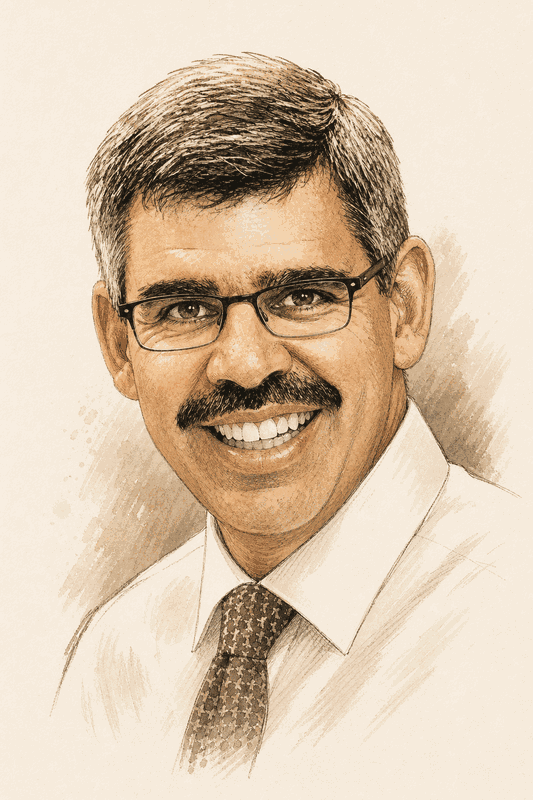
Balanced economic growth faces sustained headwinds from a policy mix dependent on monetary tightening while fiscal policy lacks restraint.
The broader economy must weaken substantially before businesses stop passing through higher energy and freight costs and wage pressures subside.
US economic activity was front-loaded by panic buying in August and September, leaving less demand ahead and signaling a worsening contraction rather than an organic recovery.
Aggregate corporate and consumer strength is masking broad weakness, with current data likely the cycle’s high point after 2024–26 monetary and fiscal easing.
Household transfers from securities accounts to cover daily expenses are rising across age groups, signaling a dissaving-driven economy and weaker underlying growth.
US economic conditions will deteriorate under interventionist economic policies, which are characterized as a disaster rather than a temporary setback.
US economic growth risks being choked off as real funding costs exceed CBO potential growth estimates, unless the AI boom materially lifts future productivity.
Higher refinancing costs would curb corporate spending, capital investment, and hiring, weakening economic demand and reducing future US growth prospects.

US economic growth will increasingly depend on productivity gains as 25-to-64 population growth slows to 0.3% annually over the next decade.

Household financial stress is nearing a breaking point that could trigger consolidation into shared homes and a catastrophic reduction in consumer spending.

Real consumer spending will decline as cost shocks reduce real wages, weakening demand after the initial inflation impact.

Growth is slowing, strengthening the case for long bonds and weakening the rationale for additional Federal Reserve tightening.
Wordcloud
Direction By Day
| 15 SEP | 16 SEP | 17 SEP | 18 SEP | 19 SEP | 20 SEP | 21 SEP | 22 SEP | 23 SEP | 24 SEP | 25 SEP | 26 SEP | 27 SEP | 28 SEP | |
|---|---|---|---|---|---|---|---|---|---|---|---|---|---|---|
| Andreas Steno Larsen | · | · | · | · | · | · | ▲ | ▲ | ▲ | ▲ | ▲ | · | · | · |
| Bob Elliott | · | · | ▲ | ▲ | ▼ | ▼ | ▼ | ▼ | ▼ | · | · | · | ▼ | ▼ |
| Charlie Bilello | ▼ | ▼ | ▼ | ▼ | · | · | · | · | · | · | · | · | · | · |
| Chris Ciovacco | · | · | · | · | ▲ | ▲ | ▲ | ▲ | ▲ | · | · | · | · | · |
| Danielle Dimartino Booth | ▼ | ▼ | ▼ | ▼ | ▼ | ▼ | ▼ | ▼ | · | · | · | · | · | ▼ |
| Darius Dale | · | · | ▲ | ▲ | ▲ | ▲ | ▲ | ▲ | ▲ | ▲ | ▲ | ▲ | ▲ | · |
| Eric Basmajian | ▲ | ▲ | ▲ | ▲ | ▲ | ▲ | ▲ | ▲ | · | ▼ | ▲ | ▲ | ▲ | ▲ |
| Jeffrey Snider | ▼ | ▼ | ▼ | ▼ | ▼ | ▼ | ▼ | ▼ | ▼ | ▼ | ▼ | ▼ | ▼ | ▼ |
| Jim Bianco | ▲ | ▲ | ▲ | ▲ | ▲ | ▲ | ▲ | ▲ | ▲ | · | · | ▲ | ▲ | ▲ |
| Joseph Wang | · | · | ▲ | ▲ | ▲ | ▲ | ▲ | · | · | · | · | · | ▲ | ▲ |
| Julien Bittel | ▲ | ▲ | ▲ | ▲ | ▲ | · | · | · | · | · | · | · | · | · |
| Jurrien Timmer | · | · | · | · | · | · | · | · | · | · | ▼ | ▼ | ▼ | ▼ |
| Keith Mccullough | · | · | · | · | · | ▼ | ▼ | ▼ | ▼ | ▲ | ▲ | ▲ | ▲ | ▲ |
| Lance Roberts | ▲ | ▲ | ▼ | ▼ | ▼ | ▼ | ▼ | ▼ | ▼ | ▼ | ▼ | ▼ | ▼ | ▼ |
| Liz Ann Sonders | ▼ | ▲ | ▲ | ▲ | ▼ | ▼ | ▼ | ▼ | ▼ | ▲ | ▲ | ▲ | ▲ | ▲ |
| Luke Gromen | ▼ | ▼ | ▼ | ▼ | ▼ | · | · | · | · | ▲ | ▲ | ▲ | ▲ | ▲ |
| Michael Kantrowitz | · | · | · | · | · | · | · | · | · | · | · | · | ▼ | ▼ |
| Mike Green | ▼ | · | · | · | · | · | · | · | · | · | · | · | · | · |
| Peter Schiff | ▼ | ▼ | · | · | · | · | · | · | · | ▼ | ▼ | ▼ | ▼ | ▼ |
| Steve Hanke | · | · | · | · | ▼ | ▼ | ▼ | ▼ | ▼ | · | · | ▼ | ▼ | ▼ |
Sentiment Heatmap
| 15 SEP | 16 SEP | 17 SEP | 18 SEP | 19 SEP | 20 SEP | 21 SEP | 22 SEP | 23 SEP | 24 SEP | 25 SEP | 26 SEP | 27 SEP | 28 SEP | |
|---|---|---|---|---|---|---|---|---|---|---|---|---|---|---|
| Andreas Steno Larsen | · | · | · | · | · | · | ▲ | ▲ | ▲ | ▲ | ▲ | · | · | · |
| Bob Elliott | · | · | ▲ | ▲ | ▼ | ▼ | ▼ | ▼ | ▼ | · | · | · | ▼ | ▼ |
| Charlie Bilello | ▼ | ▼ | ▼ | ▼ | · | · | · | · | · | · | · | · | · | · |
| Chris Ciovacco | · | · | · | · | ▲ | ▲ | ▲ | ▲ | ▲ | · | · | · | · | · |
| Danielle Dimartino Booth | ▼ | ▼ | ▼ | ▼ | ▼ | ▼ | ▼ | ▼ | · | · | · | · | · | ▼ |
| Darius Dale | · | · | ▲ | ▲ | ▲ | ▲ | ▲ | ▲ | ▲ | ▲ | ▲ | ▲ | ▲ | · |
| Eric Basmajian | ▲ | ▲ | ▲ | ▲ | ▲ | ▲ | ▲ | ▲ | · | ▼ | ▲ | ▲ | ▲ | ▲ |
| Jeffrey Snider | ▼ | ▼ | ▼ | ▼ | ▼ | ▼ | ▼ | ▼ | ▼ | ▼ | ▼ | ▼ | ▼ | ▼ |
| Jim Bianco | ▲ | ▲ | ▲ | ▲ | ▲ | ▲ | ▲ | ▲ | ▲ | · | · | ▲ | ▲ | ▲ |
| Joseph Wang | · | · | ▲ | ▲ | ▲ | ▲ | ▲ | · | · | · | · | · | ▲ | ▲ |
| Julien Bittel | ▲ | ▲ | ▲ | ▲ | ▲ | · | · | · | · | · | · | · | · | · |
| Jurrien Timmer | · | · | · | · | · | · | · | · | · | · | ▼ | ▼ | ▼ | ▼ |
| Keith Mccullough | · | · | · | · | · | ▼ | ▼ | ▼ | ▼ | ▲ | ▲ | ▲ | ▲ | ▲ |
| Lance Roberts | ▲ | ▲ | ▼ | ▼ | ▼ | ▼ | ▼ | ▼ | ▼ | ▼ | ▼ | ▼ | ▼ | ▼ |
| Liz Ann Sonders | ▼ | ▲ | ▲ | ▲ | ▼ | ▼ | ▼ | ▼ | ▼ | ▲ | ▲ | ▲ | ▲ | ▲ |
| Luke Gromen | ▼ | ▼ | ▼ | ▼ | ▼ | · | · | · | · | ▲ | ▲ | ▲ | ▲ | ▲ |
| Michael Kantrowitz | · | · | · | · | · | · | · | · | · | · | · | · | ▼ | ▼ |
| Mike Green | ▼ | · | · | · | · | · | · | · | · | · | · | · | · | · |
| Peter Schiff | ▼ | ▼ | · | · | · | · | · | · | · | ▼ | ▼ | ▼ | ▼ | ▼ |
| Steve Hanke | · | · | · | · | ▼ | ▼ | ▼ | ▼ | ▼ | · | · | ▼ | ▼ | ▼ |