AI
As of 28 September 2026, 34 tracked analysts hold a current view on AI: 18 Analysts Bullish · 0 Analysts Neutral · 16 Analysts Bearish. Every view links to the analyst's own post or video moment.
Catch-Up
Generated 08:00 ET
AI’s market leadership and earnings momentum remain hard to dismiss, with the buildout still framed by some as a broad infrastructure and productivity cycle rather than a replay of the dot-com bubble. The tension is whether the spending can earn adequate returns: skeptics see implausibly large revenue requirements, worsening pricing power, debt-funded overbuilding and a narrowing economic benefit that may leave growth exposed if capex slows. The picture is unchanged in that near-term technical strength coexists with deep uncertainty over the durability and distribution of AI’s payoff.
 Jeffrey Snider
  Bob Elliott
  Chris Ciovacco
  Peter Boockvar
  Darius Dale
  Luke Gromen
  Lance Roberts
  Julien Bittel
  Danielle Dimartino Booth
  Steve Hanke
  David Keller Danielle Dimartino Booth
  Keith Mccullough
  Jurrien Timmer Jurrien Timmer
  Tom Lee
 A daily catch-up of talking heads, in fifteen minutes.
Sentiment Graph
Analyst Views on AI
Artificial intelligence and technology stocks have recovered above the 38.2% retracement, with weekly relative strength looking better than January 2022.
AI buildout is on track to become the largest infrastructure expansion in US history, creating massive wealth despite eventual winners and losers.
AI and robotics should drive a long productivity boom as banks finance expanding hyperscaler capex, hardware, factories, power plants, and grid investment.
AI leadership remains strong enough that standing in front of the trade is painful, with technology and mega-cap growth continuing to dominate market rotation.
AI earnings are booming at a 20x forward P/E, leaving no valuation bubble despite semiconductor price analogies to the 1999–2000 internet boom.
Muse appears to have unlocked the next level of AI, signaling a more constructive long-term outlook for artificial intelligence.
AI has become increasingly central to corporate discussion, with 67% of S&P 500 companies citing it on second-quarter earnings calls and especially high mention rates across technology, financials, and communications.

AI and crypto are complementary long-term trades, with the agent economy expected to use both technologies together rather than competitively.

AI-driven automation that delivers goods and services without human labor would be a win for humanity rather than a threat to employment.

AI-related business equipment investment has accelerated sharply, helping offset housing weakness and supporting the cyclical economy’s turn higher after a multi-year soft patch.

AI should be embraced rather than avoided, maintaining a constructive long-term stance toward artificial intelligence despite bearish media coverage this morning.

AI could improve S&P 500 EPS growth by 2% per year, while carrying a 10% chance of an extinction-level event for humanity.

AI technology remains positioned to rise into the rate scare, sustaining near-term upside despite pressure from higher-rate concerns.

AI adoption across the middle of the curve faces bottlenecks beyond model capability, limiting how rapidly improving performance translates into broad deployment.

AI spending is expected to remain in a substantial secular boom for the next couple of years despite choppiness through October and the election.
AI adoption and inflation anxiety are expected to remain defining forces in markets, extending the current era beyond a short-term cycle.

Semiconductors could undercut current support before building a higher low, with rising 20-day and flattening 50-day averages supporting renewed leadership.
AI capital spending remains a boom that reinforces economic resilience alongside strong consumer spending and substantial household wealth.
AI infrastructure’s globally synchronized industrial buildout is expected to leave economies and asset markets vulnerable to a coordinated decline after the secular bull market peaks.
AI makes economic data look stronger on paper but contributes absolutely nothing to the rest of the economy or the average consumer's conditions.
AI capex plans require more than $3 trillion in revenue by 2030 to justify the spending, making projected returns implausible.
AI-driven capital spending and upper-income consumption have created a circular dependency between the U.S. economy and a stock market heavily reliant on GenAI investment.
AI increasingly competes with Treasury financing for capital, while its development nonlinearly undermines the tax base supporting fiscal capacity.
AI investment has likely peaked on an inflation-adjusted basis, creating downside risk for US growth and the market support provided by the AI boom.
AI faces bubble risk as projected tech-giant debt issuance reaches $420 billion next year, up 60% from this year.
AI faces negative pricing power, likely undermining the sector’s economics and reducing the durability of returns from artificial-intelligence investment.

AI faces a likely post-midterm “accident” amid regulatory capture and coordinated industry efforts to slow development and emphasize responsible oversight.
AI infrastructure investment faces overstated reported returns as rapid hardware obsolescence, rising capital needs, and Chinese competition pressure future monetization.
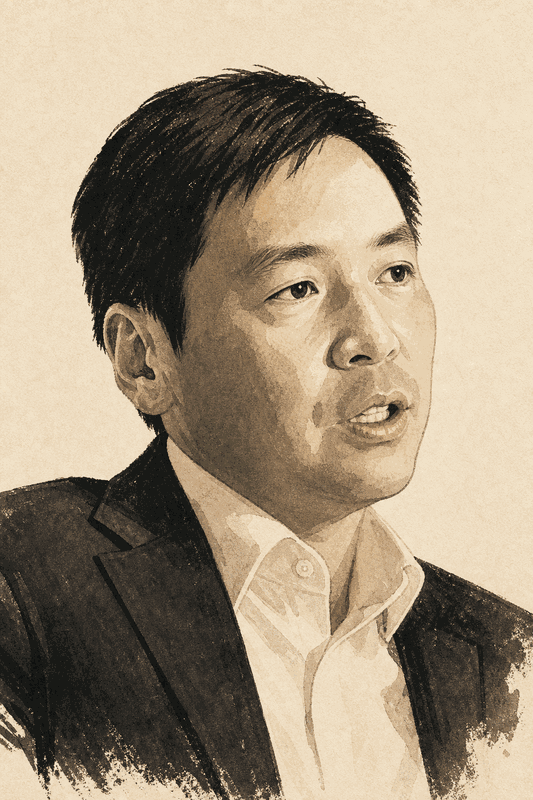
The AI trade could face pressure after the midterms if a Democratic sweep brings greater skepticism of data-center buildout and more AI-model regulation.

AI-related companies face potentially enormous product-liability exposure from cyberattacks, creating risks that could overwhelm even multi-trillion-dollar market capitalizations.

AI models appear stuck in an iPhone 5 moment, still useful but no longer improving dramatically enough to sustain enthusiasm.
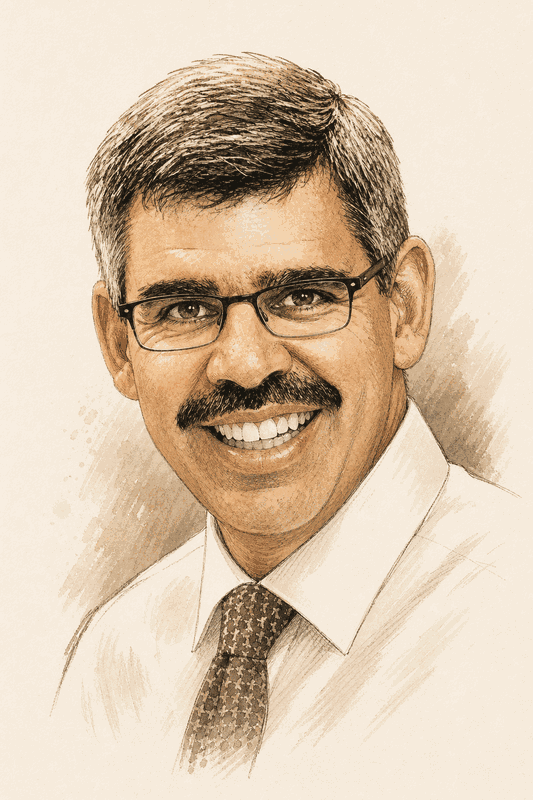
AI faces a bumpy capital-markets path as higher borrowing costs, public resistance, and shallow adoption intensify internal and external pressures.
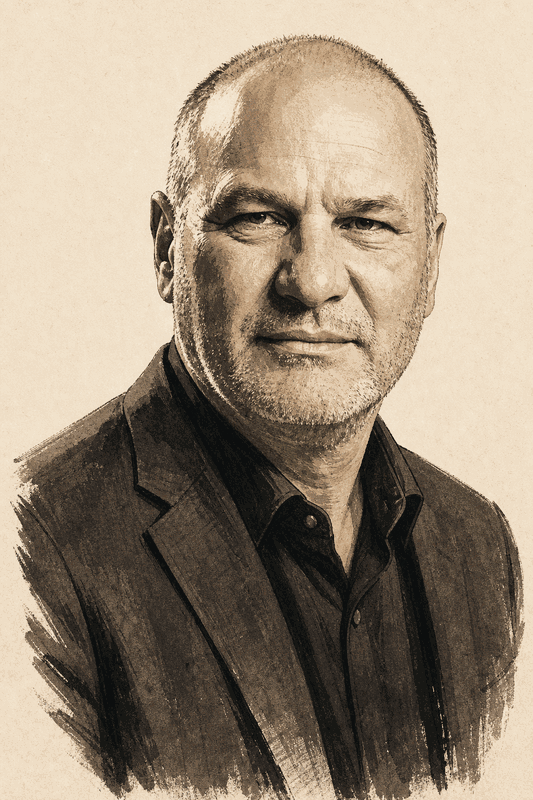
AI’s productivity-led investment boom faces lower odds of succeeding if higher interest rates and wider spreads restrict companies’ ability to finance it.
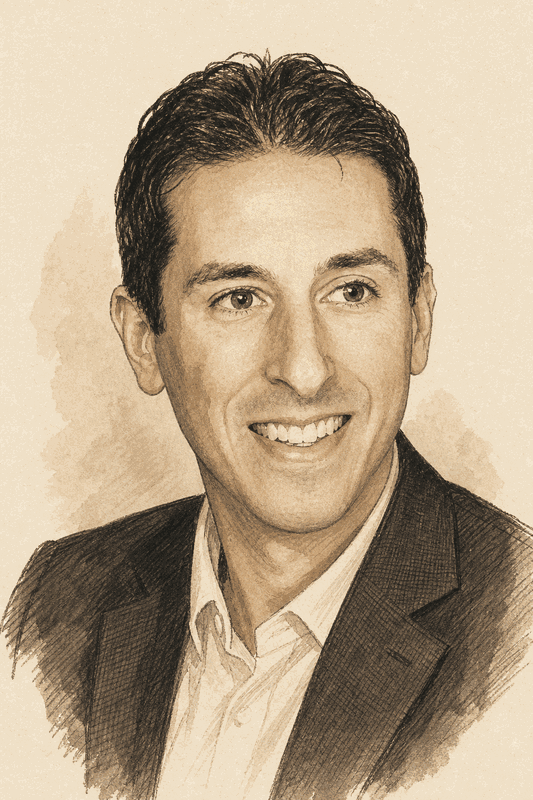
Big Tech’s AI spending spree has created roughly $3 trillion in off-balance-sheet commitments, leaving investors likely to underestimate substantial long-term obligations.
Wordcloud
Direction By Day
| 15 SEP | 16 SEP | 17 SEP | 18 SEP | 19 SEP | 20 SEP | 21 SEP | 22 SEP | 23 SEP | 24 SEP | 25 SEP | 26 SEP | 27 SEP | 28 SEP | |
|---|---|---|---|---|---|---|---|---|---|---|---|---|---|---|
| Andreas Steno Larsen | · | · | · | · | · | · | ▲ | ▲ | ▲ | ▲ | ▲ | · | · | · |
| Bob Elliott | · | · | · | · | · | · | · | · | · | · | · | · | · | ▼ |
| Cem Karsan | ▲ | ▲ | ▲ | · | · | · | · | ▼ | ▼ | ▼ | ▼ | ▼ | · | · |
| Chris Ciovacco | · | · | · | · | · | · | · | ▲ | ▲ | ▲ | ▲ | ▲ | ▲ | ▲ |
| Danielle Dimartino Booth | · | · | · | ▼ | ▼ | ▼ | ▼ | ▼ | · | ▼ | ▼ | ▼ | ▼ | ▼ |
| Darius Dale | ▲ | ▲ | ▲ | ▼ | ▼ | ▼ | ▼ | ▼ | ▼ | ▼ | ▼ | ▼ | ▼ | ▼ |
| David Keller | · | · | · | · | · | · | · | · | · | · | ▲ | ▲ | ▲ | ▲ |
| David Woo | · | · | · | · | · | ▼ | ▼ | ▼ | ▼ | ▼ | · | · | · | · |
| Eric Basmajian | ▲ | ▲ | ▲ | ▲ | · | · | · | · | · | · | · | · | · | · |
| JC Parets | ▲ | ▲ | · | · | · | · | · | · | · | · | · | · | · | · |
| Jeffrey Snider | · | · | · | ▼ | ▼ | ▼ | ▼ | ▼ | ▼ | ▼ | ▼ | ▼ | ▼ | ▼ |
| Jim Bianco | ▼ | ▼ | ▼ | ▼ | ▼ | · | · | · | · | · | · | · | · | · |
| Joseph Wang | · | · | · | · | · | ▼ | ▼ | ▼ | ▼ | ▼ | · | · | · | · |
| Julien Bittel | · | · | · | · | · | · | · | · | · | · | ▲ | ▲ | ▲ | ▲ |
| Jurrien Timmer | · | ▼ | ▼ | ▼ | ▼ | ▼ | · | ▼ | ▼ | ▲ | ▲ | ▲ | ▲ | ▲ |
| Keith Mccullough | ▼ | ▼ | ▼ | ▼ | ▼ | ▼ | · | · | · | ▼ | ▼ | ▼ | ▼ | ▼ |
| Lance Roberts | · | · | · | · | · | · | · | · | · | ▼ | ▼ | ▲ | ▲ | ▲ |
| Liz Ann Sonders | · | · | · | · | · | · | · | ▲ | ▲ | ▲ | ▲ | ▲ | · | · |
| Luke Gromen | · | · | · | · | · | · | · | · | · | · | · | ▼ | ▼ | ▼ |
| Peter Boockvar | · | · | · | ▲ | ▲ | ▲ | ▲ | ▲ | · | · | · | ▼ | ▼ | ▼ |
| Peter Schiff | · | ▲ | ▲ | ▲ | ▲ | ▲ | · | · | · | · | · | · | · | · |
| Steve Hanke | · | · | ▲ | ▼ | ▼ | ▼ | ▼ | ▼ | · | ▼ | ▼ | ▼ | ▼ | ▼ |
| Tom Lee | ▲ | ▲ | ▲ | · | · | ▲ | ▲ | ▲ | ▲ | ▲ | ▲ | ▲ | ▲ | · |
Sentiment Heatmap
| 15 SEP | 16 SEP | 17 SEP | 18 SEP | 19 SEP | 20 SEP | 21 SEP | 22 SEP | 23 SEP | 24 SEP | 25 SEP | 26 SEP | 27 SEP | 28 SEP | |
|---|---|---|---|---|---|---|---|---|---|---|---|---|---|---|
| Andreas Steno Larsen | · | · | · | · | · | · | ▲ | ▲ | ▲ | ▲ | ▲ | · | · | · |
| Bob Elliott | · | · | · | · | · | · | · | · | · | · | · | · | · | ▼ |
| Cem Karsan | ▲ | ▲ | ▲ | · | · | · | · | ▼ | ▼ | ▼ | ▼ | ▼ | · | · |
| Chris Ciovacco | · | · | · | · | · | · | · | ▲ | ▲ | ▲ | ▲ | ▲ | ▲ | ▲ |
| Danielle Dimartino Booth | · | · | · | ▼ | ▼ | ▼ | ▼ | ▼ | · | ▼ | ▼ | ▼ | ▼ | ▼ |
| Darius Dale | ▲ | ▲ | ▲ | ▼ | ▼ | ▼ | ▼ | ▼ | ▼ | ▼ | ▼ | ▼ | ▼ | ▼ |
| David Keller | · | · | · | · | · | · | · | · | · | · | ▲ | ▲ | ▲ | ▲ |
| David Woo | · | · | · | · | · | ▼ | ▼ | ▼ | ▼ | ▼ | · | · | · | · |
| Eric Basmajian | ▲ | ▲ | ▲ | ▲ | · | · | · | · | · | · | · | · | · | · |
| JC Parets | ▲ | ▲ | · | · | · | · | · | · | · | · | · | · | · | · |
| Jeffrey Snider | · | · | · | ▼ | ▼ | ▼ | ▼ | ▼ | ▼ | ▼ | ▼ | ▼ | ▼ | ▼ |
| Jim Bianco | ▼ | ▼ | ▼ | ▼ | ▼ | · | · | · | · | · | · | · | · | · |
| Joseph Wang | · | · | · | · | · | ▼ | ▼ | ▼ | ▼ | ▼ | · | · | · | · |
| Julien Bittel | · | · | · | · | · | · | · | · | · | · | ▲ | ▲ | ▲ | ▲ |
| Jurrien Timmer | · | ▼ | ▼ | ▼ | ▼ | ▼ | · | ▼ | ▼ | ▲ | ▲ | ▲ | ▲ | ▲ |
| Keith Mccullough | ▼ | ▼ | ▼ | ▼ | ▼ | ▼ | · | · | · | ▼ | ▼ | ▼ | ▼ | ▼ |
| Lance Roberts | · | · | · | · | · | · | · | · | · | ▼ | ▼ | ▲ | ▲ | ▲ |
| Liz Ann Sonders | · | · | · | · | · | · | · | ▲ | ▲ | ▲ | ▲ | ▲ | · | · |
| Luke Gromen | · | · | · | · | · | · | · | · | · | · | · | ▼ | ▼ | ▼ |
| Peter Boockvar | · | · | · | ▲ | ▲ | ▲ | ▲ | ▲ | · | · | · | ▼ | ▼ | ▼ |
| Peter Schiff | · | ▲ | ▲ | ▲ | ▲ | ▲ | · | · | · | · | · | · | · | · |
| Steve Hanke | · | · | ▲ | ▼ | ▼ | ▼ | ▼ | ▼ | · | ▼ | ▼ | ▼ | ▼ | ▼ |
| Tom Lee | ▲ | ▲ | ▲ | · | · | ▲ | ▲ | ▲ | ▲ | ▲ | ▲ | ▲ | ▲ | · |