Week of 31 August 2026
Oil Broke $90. The Hike Came Back.
Strikes on Iran and a closed Strait of Hormuz sent crude through $90 and the thirty-year yield to its highest since 2007. Payrolls tripled expectations. By Friday the September meeting was live again.
Published 10 September 2026 · Frozen at Publish · A Point-in-Time Reading of That Week
The week belonged to oil. Mohamed El-Erian had WTI and Brent up 5% and above $90 on Tuesday afternoon after the strikes on Iran. Jim Bianco matched the move to the last comparable attack. By Thursday Steve Hanke was long crude on a closed Strait of Hormuz. Liz Ann Sonders and David Keller both called the breakout on the chart, with targets in the 90s and above. Peter Schiff said $100 would not take long. David Woo put Brent fair value there already. Thirteen people were bullish oil this week. Jeffrey Snider was the one bear, and only because he thinks the shortage is in refined fuel, not barrels. Charlie Bilello noted gasoline averaged above $4 every day of August. El-Erian had diesel at a record $5.85. USO closed the week up 9.45%.
That went straight into bonds. Bilello had the thirty-year at 5.3%, the highest since 2007. Peter Reznicek watched the ten-year touch 4.81% and said it could easily push higher. Ten people were bearish long Treasuries against five bulls, and the bulls were mostly conditional: Joseph Wang wants the war to end first, Darius Dale is leaning on the Bank of Japan. Then Friday payrolls came in at 162,000, three times expectations, and the September meeting was live again. Reznicek had hike odds back near 60%. Nick Timiraos said the jobs number removed an obstacle and August CPI decides it. Bilello wants 50 basis points now and twice more after that. Cem Karsan and Andreas Steno Larsen said you do not tighten into a supply shock. Nine people leaned toward a tighter Fed and four toward an easier one. In the 10 August issue it was five to three the other way.
The payroll headline was strong. Almost nobody trusted it. Bob Elliott set the 162,000 against a weak ADP print and a contracting Paychex one. Lance Roberts had 80,000 jobs revised away and six-month job creation near 30,000 a month. Sonders had long-term unemployment rising to 27% of the jobless. David Rosenberg thinks negative payroll prints are the fourth-quarter surprise. Eight people were bearish labor, five bullish, and the bulls were mostly reading the same print. Growth split down the middle: services at a six-month high for El-Erian, flat once you strip out AI for Roberts. Housing was the cleanest cell on the board, four bearish and nobody for it. Inflation was eleven to five the wrong way, and the bears were the ones looking at core rather than the pump.
Stocks did not know what to do with any of it. The S&P was six bulls and six bears, and the index closed the week almost where it started. Jason Shapiro had bonds, stocks, and the dollar all trading badly at once and said Bitcoin was the only market acting well. Gold had seven bulls, but the tape went the other way: GLD fell on the week and Keller called the gap lower on Wednesday. Both stay on the page. AI was eight to six. Keith McCullough called it the mother of all bubbles and said it has started imploding. Mark Newton still sees a secular boom, Keller has capex rising for years, and Sonders had data-center construction up nearly 60% on the year. Underneath the indices, rotation: Keller had money leaving technology for energy, utilities, and health care, and Newton called a health-care breakout after a three-year bear market. Financials had three bulls and nobody against. Nvidia, according to JC Parets, was working on its highest weekly close ever. The Nasdaq had three bears.
The Tape
How It Connected
The Print
Rotation
Macro
Oil pushed inflation back up the list and the Fed back onto the table. Payrolls beat, and almost nobody believed them. Housing was bearish without dissent.
Themes
AI split again, this time with a bubble call on the record. Positioning is crowded by nearly every measure. Tariffs and the war were on the page all week.
Sectors
Rotation, not direction. Money left technology for energy, utilities, and health care. Financials had three bulls and nobody against.
Cross-Asset
Thirteen people bullish oil. Ten bearish long bonds. Gold had the bulls and lost on the tape. Bitcoin was the one thing acting well.
Where They Stood
Macro
Themes
Sectors
The Splits
-
Thirteen people bullish oil. Nine leaning toward a tighter Fed. Karsan and Steno Larsen say you do not hike into a supply shock. Bilello says you already should have.
-
Services at a six-month high and payrolls at three times expectations. Eighty thousand jobs revised away and long-term unemployment rising. Same week, same data.
-
Seven bulls, and the ETF closed the week lower. Keller called the gap on Wednesday. Reznicek is bullish and still says the futures have not broken their downtrend.
-
Nvidia was working on its highest weekly close ever while McCullough called the whole complex a bubble that has started to implode. Both were on the page the same week.
Who Said It

WTI and Brent crude have risen 5% above $90 a barrel following an escalation of US military strikes on Iran.

Inflation has not been defeated despite 175 basis points of Fed cuts since September 2024, with 30-year Treasury yields reaching 5.3%, their highest since 2007.

Fed rate-hike odds have returned to roughly 60% ahead of the September 16 meeting as stronger payrolls increase sensitivity to incoming inflation data.

Fed policy is unlikely to tighten into a supply shock, while recent hawkish rhetoric primarily defends the dollar rather than signals imminent rate hikes.

US labor conditions appear softer than the payroll headline suggests, as weak ADP and contracting Paychex data conflict with the 162,000 payroll gain.
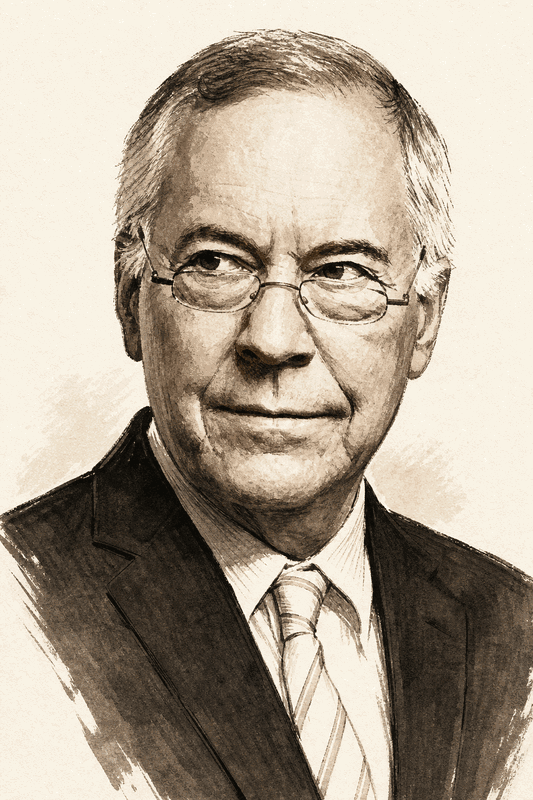
US bond markets face a collapse as tariffs, the US-Israeli war against Iran, and resurgent inflation revive bond-vigilante pressure on Treasuries.

Bitcoin is the only market acting well amid weakness in bonds, stocks, the dollar, gold, and silver, reflecting a flight away from fiat.

AI, semiconductors, and leveraged ETFs are described as a mother-of-all bubble that has begun imploding after an extended advance.

Technology is lagging as money rotates toward Energy, Utilities, and Healthcare, signaling a bearish near-term technical relative-performance outlook.

Crude oil prices remain comparatively lower because refinery capacity cannot process enough additional barrels into the refined fuels now in shortage.
Written 10 September 2026. Frozen at publish. A point-in-time reading of that week. Tape prints are Friday-to-Friday closes from Yahoo, frozen with the issue. The views cited are theirs. This page is not advice.