
Stop Context Switching in Trading: Fewer Tabs, Better Focus
Reduce context switching by minimizing tabs and structuring workspaces to lower cognitive load, sharpen execution, and improve post-trade review.

Headge Team
Product Development
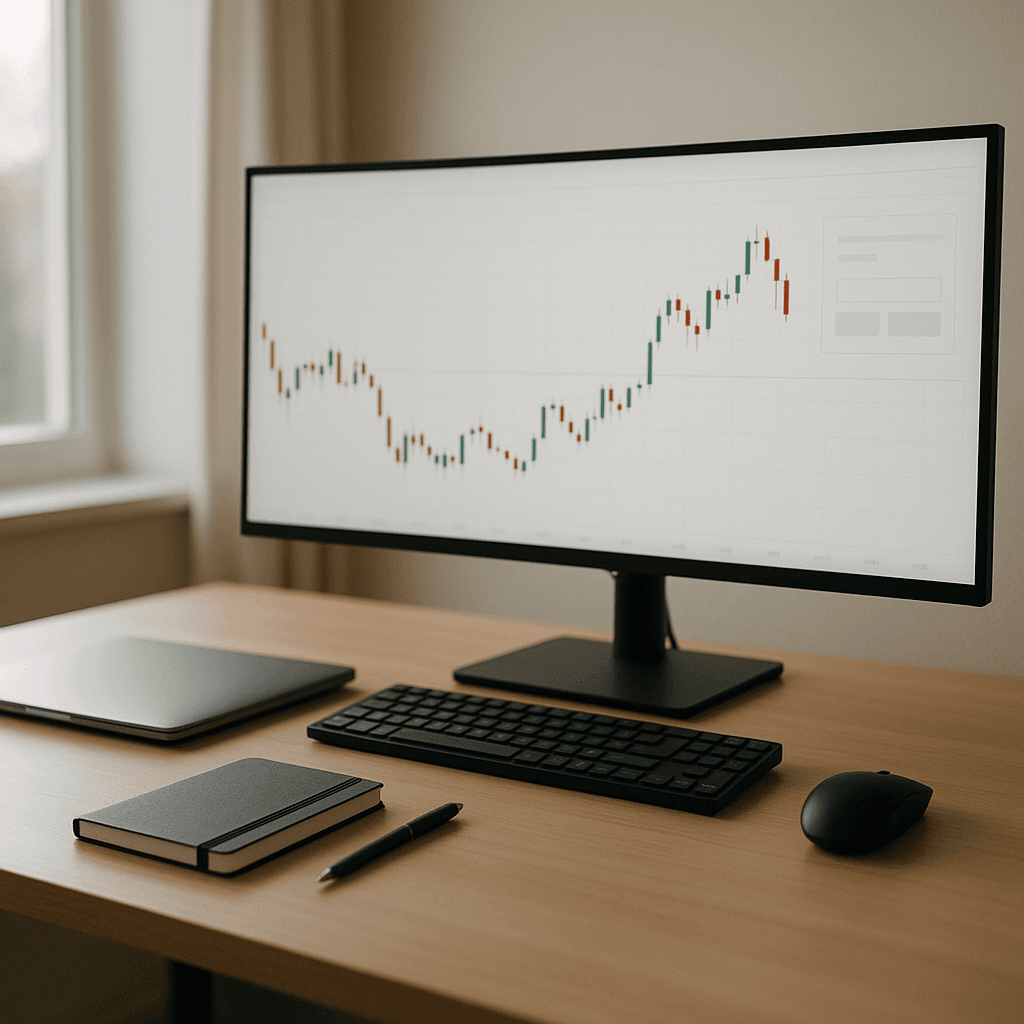
The hidden cost of too many tabs
Trading rewards attention, not activity. Every extra tab, window, or feed competes for working memory and invites micro-switches that degrade decisions. Research on cognitive load and task switching is consistent: working memory is narrow, attention residue lingers after every shift, and switching imposes time and error penalties even when the interruptions are brief. Traders pay for this with late entries, missed exits, and impulsive overrides.
Reducing context switching is not about asceticism. It is about engineering an environment that preserves scarce cognitive resources for reading tape, managing risk, and executing the plan. The simplest reliable lever is to cut tabs and separate activities into clear contexts.
Why tabs drain edge
Cognitive load theory shows that people can actively hold only a handful of information chunks at once. A market order book, a price level, a news catalyst, and a risk limit can easily fill that space. Each additional tab adds novelty cues and visual clutter that compete for attention. Findings on attention residue indicate that after shifting tasks, part of the mind stays attached to the previous thread, leaving less bandwidth for current signals.
For traders, this shows up as slow recognition of inflection points, overreaction to noise, and poorer adherence to pre-defined stops. The more often the eyes jump between browser, chat, scanner, and broker, the more often working memory resets. Over an entire session, those resets accumulate into fatigue and inconsistent execution.
Define your trading contexts
Most trading days can be divided into three contexts:
- Research: scanning, news digestion, building the watchlist
- Execution: entering, managing, and exiting live positions
- Review: journaling, tagging, and learning from the session
Each context benefits from different tools and a different cognitive stance. The goal is to keep tools for one context out of sight when in another. This separation reduces temptation, enforces clarity, and makes performance easier to evaluate.
Build an execution-only workspace
Create a minimalist layout used exclusively during live risk. Include the few elements required to act quickly and verify risk: a primary chart with marked levels, the order ticket, position and PnL, and the risk panel. Optional tools like a second timeframe or a depth-of-market view can stay, but anything used primarily for discovery should be absent. No news feed, chat, email, or social.
Constraint is protective. By reducing visual options, the environment encourages rule-based behavior and lowers arousal. Traders often report calmer breathing and steadier hands when their execution screen is quiet and consistent from day to day.
A practical example: instead of six tiled charts and a streaming news ticker, run one main chart with pre-marked levels and alerts. Keep the order ticket docked. Park the blotter in a small panel. If an alert sounds, evaluate within this limited frame and act or pass. The absence of extra tabs removes the impulse to hunt for confirmation mid-trade.
Pre-market triage and the tab diet
Decision quality improves when choices are narrowed before the open. Use the research block to scan broadly, then prune aggressively. Build a focused watchlist with a small number of primary names, set price alerts at key levels, and close the scanner. The literature on choice overload suggests that fewer well-curated options lead to more consistent action.
Set a tab budget for the session. For example, one browser window for data you occasionally reference and one for the broker, each with one or two tabs. Everything else is moved to bookmarks or a read-later queue. If a new idea appears during the session, capture it in a note and evaluate during review rather than opening a new tab.
A simple triage workflow: after scanning, select three to five symbols that best fit the day’s conditions, define entry and invalidation zones, set alerts, and close discovery tools. This prevents the mid-session swing from execution back to scanning, which tends to happen when boredom or fear rises.
A single-tasking protocol during the session
Establish clear rules for attention. Use time blocks of 25 to 45 minutes where the layout is fixed and the only allowed actions are related to execution and risk management. When a block ends or the position is flat, take a short break and process any queued notes. Standardized checklists lighten working memory and reduce improvisation under stress.
An example sequence: the alert fires, the pre-trade checklist is consulted, the order is placed, and the management rules guide size adds or exits. The presence of a checklist replaces the urge to seek external validation in another tab. Even a brief, three-item checklist can prevent a costly switch: confirm level, confirm stop, confirm size.
Externalize memory and remove novelty cues
Offload anything that does not need to be active in mind. Mark levels directly on the chart. Keep a one-page trade plan printed or pinned on the desk. Use a small notepad to capture any thought that might otherwise send attention into a new window. Visual cues can be designed to calm. A neutral background, consistent color scheme, and hidden browser bookmarks reduce novelty and the urge to explore.
Disable notifications and badges during the session. If a news feed is essential for certain strategies, contain it in a separate workspace that stays closed until a pre-defined event type occurs. Keyboard shortcuts that toggle specific panels on and off help maintain the default quiet state.
Journal the switches and score what matters
What gets measured improves. In the journal, tag each unplanned context switch: opened a new tab, changed layout, checked social, or returned to scanning. Note the minute and whether a position was open. Over a week, patterns will appear. Many traders find that switches cluster after missed entries or near midday dips in energy.
Create a simple scorecard with two measures: average tabs open during live risk and unplanned switches per hour. Add a third if helpful: percentage of trades managed entirely within the execution layout. These metrics correlate well with error rates, slippage, and post-trade regret. Set a weekly target and adjust the environment until the numbers move.
A practical experiment: for one week, cap open tabs at three and ban all layout changes after the open. Compare win rate, average adverse excursion, and reported stress against the prior week. Even without statistical tests, the behavioral signal is usually clear.
Handling news and other exceptions
Markets do not always respect neat boundaries. Prepare a specific event protocol. When a scheduled macro release or unexpected halt occurs, allow one controlled switch into a designated "news workspace" that contains the calendar, headline feed, and a single contextual chart. After two minutes or after a single decision, close it and return to the execution layout. The rule reduces the risk of spiraling into an information hunt while still honoring the need for context.
An example: a surprise downgrade hits a watchlist name mid-trade. The protocol opens the news workspace, confirms the source and severity, and then either exits or tightens risk based on predefined criteria. The switch is brief, purposeful, and reversible.
A Wednesday reset
Use midweek to reset attention. On Wednesday, close all nonessential tabs, archive notes to the journal, and tighten the watchlist for the remainder of the week. This small ritual restores cognitive clarity before energy typically dips on Thursday and Friday.
Closing the loop
Context switching is expensive because attention is the trader’s primary edge. Fewer tabs, clear contexts, and an execution-only workspace protect that edge by lowering cognitive load and stabilizing behavior. Treat the environment like risk management: specify it, measure it, and audit it weekly. Focus becomes a design choice rather than a state to hope for.
James Strickland
Founder of Headge | 15+ years trading experience
James created Headge to help traders develop the mental edge that strategy alone can't provide. Learn more about Headge.
Ready to build your mental edge?
Meditation and mindfulness techniques designed specifically for traders. Build the discipline and emotional resilience you need to perform at your best.
